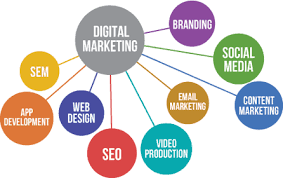
Digital marketing is the practice of promoting brands, products, or services using the internet and digital communication. It leverages various online channels to connect with customers where they spend a significant portion of their time: on their phones, computers, and tablets.How It WorksDigital marketing works by utilizing a variety of specific strategies to reach a target audience, engage them, and convert them into customers. Unlike traditional marketing (TV, billboards), it allows for real-time interaction and data-driven adjustments.Key Types of Digital MarketingSearch Engine Optimization (SEO): Optimizing your website to rank higher in search results (like Google) to get "free" organic traffic.Content Marketing: Creating valuable blog posts, videos, or infographics to build trust and attract leads.Social Media Marketing: Engaging with audiences on platforms like Facebook, Instagram, and LinkedIn to build brand loyalty.Pay-Per-Click (PPC): Paying a fee each time someone clicks your ad (e.g., Google Ads).Email Marketing: Sending personalized messages and offers directly to a subscriber’s inbox.Marketing Automation: Using software to handle repetitive tasks and send personalized messages based on user behavior.Digital Marketing vs. Inbound MarketingFeatureDigital MarketingInbound MarketingFocusOn the tools and channels (Email, SEO, Ads).On the goal and the customer journey.ApproachHow a specific tool can convert a prospect.A holistic strategy that uses tools to solve customer problems.Why It’s ImportantGlobal Reach: You can reach anyone in the world with an internet connection.Cost-Effective: It is generally much cheaper than traditional media, making it accessible for small businesses.Measurable: You can track exactly how many people saw an ad, clicked it, and made a purchase.Targeting: You can show ads specifically to people based on their age, interests, and online behavior.5 Steps to Get StartedSet SMART Goals: Be specific (e.g., "Increase website leads by 20% in 3 months").Identify Your Audience: Know who they are and where they hang out online.Set a Budget: Allocate funds based on the channels that offer the best ROI.Pick Your Channels: Don't try to be everywhere; choose the platforms your audience uses most.Analyze & Refine: Use data to see what worked and fix what didn't.